Distance should never be a barrier to learning. Thanks to e-learning platforms, people living far from urban centres, with demanding schedules or limited mobility, can now access continuous, high-quality learning opportunities.
LMS platforms play a key role in democratising access to learning in countries affected by the rural digital divide and limited formative opportunities. In Spain, over 7.5 million people live in rural areas, some with very restricted access to nearby learning centres.
Beyond distance, people living in these remote areas often face other common challenges when it comes to training: long commutes with poor transport links, incompatible timetables, or simply a lack of available learning options in the area.
Platforms like evolCampus remove these barriers and turn any place into a classroom — not only by overcoming distance-related challenges, but also through their low technological requirements, strong focus on accessibility, ease of use, and ability to deliver adaptive learning across different devices without relying on constant internet connectivity.
Training challenges in rural areas
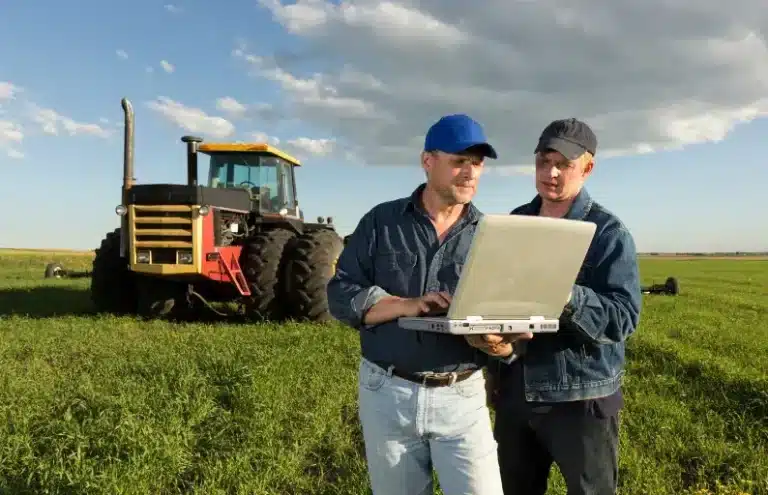
Rural regions of Spain are known for their peaceful environment, far from urban centres and cities, low population density, an economy largely based on agriculture and livestock, and a generally slower-paced lifestyle.
While these characteristics make rural areas unique, they also mean that accessing any kind of training can be more challenging.
There are fewer learning opportunities available, the population tends to be older and may face technological difficulties, schedules are often more complicated, and transport limitations make it harder for rural residents who wish to develop their skills.
The main training challenges in rural areas include:
- Fewer in-person training options: Most training centres tend to be located in larger cities, far from remote areas. As a result, face-to-face training in rural areas is more limited, often forcing those seeking specific types of learning to travel to other towns or municipalities.
- Adult population with irregular schedules: People living in rural areas are often adults working in agriculture, livestock, or other local trades and services, often self-employed. Their working hours are usually irregular and rarely compatible with the fixed schedules offered by most training centres.
- Technological divide: The rural digital divide is real. Many people living in rural communities lack access to a stable and reliable Wi-Fi network, do not have suitable devices like computers or printers, and often possess only basic digital skills—making it difficult to take part in more complex courses.
- Mobility and transport limitations: Poor transport connections and mobility issues remain significant barriers to accessing in-person training. Long journeys, multiple transport changes, infrequent timetables and rigid schedules make attending classes difficult.
- Training needs tied to specific sectors: Many individuals seek training related to their field of work—such as agri-food, rural tourism, technical trades like mechanics, or small business management in local communities.
- Lack of guidance and sense of belonging: In many rural areas, there are not enough guidance or support services. This often means people are unaware of the available training options, how to apply for grants or enrol in courses, or what learning pathways are open to them—leading to discouragement or even dropouts.
How online learning in rural areas helps overcome these barriers

All the obstacles faced by people living in rural areas when trying to access in-person training can be overcome through online learning.
E-learning platforms offer the ideal alternative and solution for anyone seeking quality training but who encounters numerous barriers that prevent them from reaching their goals and developing new skills.
Some of the key advantages of offering online training instead of face-to-face learning for those living in rural areas include complete flexibility in scheduling, reduced costs, and the elimination of travel requirements.
Total flexibility
Online training allows learners to study without fixed schedules or the need to travel anywhere. Each person can adapt their learning to fit their availability and lifestyle—especially useful for those balancing learning with work or family responsibilities.
For example, someone working in agriculture who starts early and spends the whole day outdoors can use the evenings or weekends for their learning—or fit it in at whatever time suits them best during the week. It also removes the stress of missing classes due to unexpected events or extended work hours.
Courses available anytime
Courses are available 24/7 on the platform, enabling access to materials and content at any time—ideal for those in seasonal sectors like local tourism or farming.
During quieter periods, these learners can dedicate more time to their online training, while during busier months, they can scale back and continue progressing at their own pace, whenever they have time.
Ongoing content updates
Online content can be constantly updated, with new information, regulatory changes or developments added immediately—without waiting for a new in-person course cycle or printed materials.
Resources like texts, flashcards or multimedia content can be modified quickly, ensuring learners receive the most up-to-date information as soon as possible and avoid delays in their progress.
Cost reduction
Online training significantly lowers costs for both learners and training providers. There’s no need for physical classrooms, teacher travel, printed materials or facility maintenance. This makes it much more cost-effective to deliver training in rural areas, reaching more people without needing to expand infrastructure or hire additional staff.
From the learner’s perspective, this means access to more affordable training, as well as savings on transport, eating out, and extra materials.
Digital inclusion
Online learning helps bridge the digital divide in rural areas. It enables those with limited technical knowledge to start from scratch and gradually improve their digital skills using accessible, intuitive and user-friendly e-learning platforms.
By closing the rural digital divide, for instance, a local shop owner can learn to use digital invoicing software, or a small hotel owner can manage bookings more efficiently with an online reservation system.
What should an LMS offer to deliver quality digital training in rural areas?

1. Lightweight and mobile-compatible
In many rural areas, people rely more on their mobile phones than computers to search for information, browse the internet or for entertainment. That’s why the ideal e-learning platform must allow easy access across different devices.
An LMS should be lightweight and work smoothly on smartphones, tablets and desktop computers alike. This ensures that everyone can access content from anywhere—whether at home or during a break while working outdoors—encouraging mobile learning in rural regions.
2. AA accessibility and intuitive navigation
The platform must be easy to use, with clear menus, large buttons, and a design that meets AA-level e-learning accessibility standards. This is especially important for older or adult users, who may have less experience with digital tools.
An intuitive platform reduces frustration, promotes autonomy, and increases course completion rates—even for those with learning difficulties who may face additional challenges.
3. Adaptive learning
An LMS should offer adaptive learning that lets each learner progress at their own pace, which is essential for rural digital training. Personalised pathways and content tailored to their knowledge and learning styles help make learning more effective.
It also allows learners to reinforce areas where they struggle or advance more quickly if they already master certain topics.
4. Support for varied content types
A good LMS must support various content formats—such as short videos, downloadable texts, flashcards, podcasts or even animations. These quick and simple formats allow learners who can’t always be in front of a screen or connected to the internet to continue progressing without interruptions.
For example, someone working outdoors could listen to a podcast lesson while performing other tasks.
5. Learner tracking
The platform should enable real-time tracking of learner progress so that local authorities, training centres or cooperatives running rural programmes can monitor progress and get a clear picture of each learner’s journey.
This helps identify blockers, detect difficulties and provide targeted support, guidance and encouragement where needed.
Success stories: how an LMS can transform rural learning

There are countless success stories showcasing the benefits of e-learning and how an LMS can transform rural digital training.
For instance, in a small rural village in Extremadura with around 50 farming operations, local farmers were struggling to stay up to date with phytosanitary regulations.
Travelling to the centres offering certification meant a car journey of over an hour, and the training schedules didn’t match the unpredictable working hours in the fields. To solve these challenges, a small training centre decided to develop an online course using an e-learning platform to deliver this certification.
Thanks to this online training solution, farmers were able to access the course materials—even from their mobile phones. Their digital skills were minimal, but the simplicity of the platform, user-friendly design, and straightforward materials such as short videos, microlearning techniques and a final quiz allowed them to complete the course with ease and gain certification in the new phytosanitary regulations without needing to travel or rely on fixed schedules.
For the training centre, the course was a great success. With a nearly 100% completion rate, they expanded the course to other regions and began working on more training programmes tailored to rural areas.
We can help you design rural e-learning courses
- 1. Know your target audience: Before you start planning the topics, modules and materials, understand who your learners are. Learn about their age, level of digital skills, professional background and availability. This will help you adjust the difficulty, length and format of your course accordingly.
- 2. Define the training goals: What is the purpose of the course? Consider whether the goal is to gain an official certification, enhance skills like tourism promotion, or train learners on new agricultural regulations, and structure the course accordingly.
- 3. Choose the right formats: Keep your learners and their needs in mind—combine short videos, downloadable texts, infographics, podcasts and hands-on exercises. Avoid overly long content, use clear language, and ensure materials can be accessed offline.
- 4. Include contextualised examples: Use examples and case studies that reflect rural life, such as local farming, rural tourism or artisanal trade. This makes the content easier to understand.
- 5. Design adaptive learning paths: Use LMS platforms tailored for rural environments, like evolCampus, to help you create flexible, personalised learning experiences powered by artificial intelligence.
- 6. Ensure accessibility and usability: Choose an e-learning platform that already meets accessibility regulations so you don’t have to worry about compliance. Make sure the course works on mobile devices, offers simple navigation, and doesn’t create barriers for those with limited tech skills.
- 7. Monitor and track progress: Use tests, exercises or practical tasks to evaluate learner progress. Monitor how they’re doing, whether they need support in a particular area, a special tutorial, or if there’s any course content causing delays or confusion.
Practical checklist for designing courses for rural areas
If you’re a trainer or part of a company or organisation looking to embrace the digital transformation of rural learning but aren’t sure where to begin, Evolmind has created a checklist with the most important requirements for designing an effective online course.
Use it as a guide to improve your existing courses or to quickly check whether your course is flexible, accessible, compatible with irregular schedules—or whether there are key elements you’ve overlooked.
| Category | Recommendation | Validation |
|---|---|---|
| Short content | Brief formats, ideal for irregular learning rhythms. | ✅ |
| Clear language | Avoid jargon and use simple, direct expressions. | ✅ |
| Lightweight content | Optimised videos and simple PDF documents for easy access. | ✅ |
| Mobile compatibility | Responsive design or apps adaptable to mobile devices. | ✅ |
| Contextualised examples | Practical cases linked to agriculture, tourism and local trade. | ✅ |
| Accessibility | Good contrast, subtitles, and simple navigation. | ✅ |
| Adaptive learning | Allow learners to progress at their own pace and reinforce content as needed. | ✅ |
| Offline access | Downloadable content for areas with poor connectivity. | ✅ |
| Practical evaluation | Short tests and exercises with progress tracking. | ✅ |
Well-designed and targeted online training is a powerful tool for reducing educational inequality and promoting rural digital literacy.
Expand your training offer to reach new audiences and areas without needing to build new infrastructure, and cut costs while delivering accessible, inclusive learning with high completion rates.